
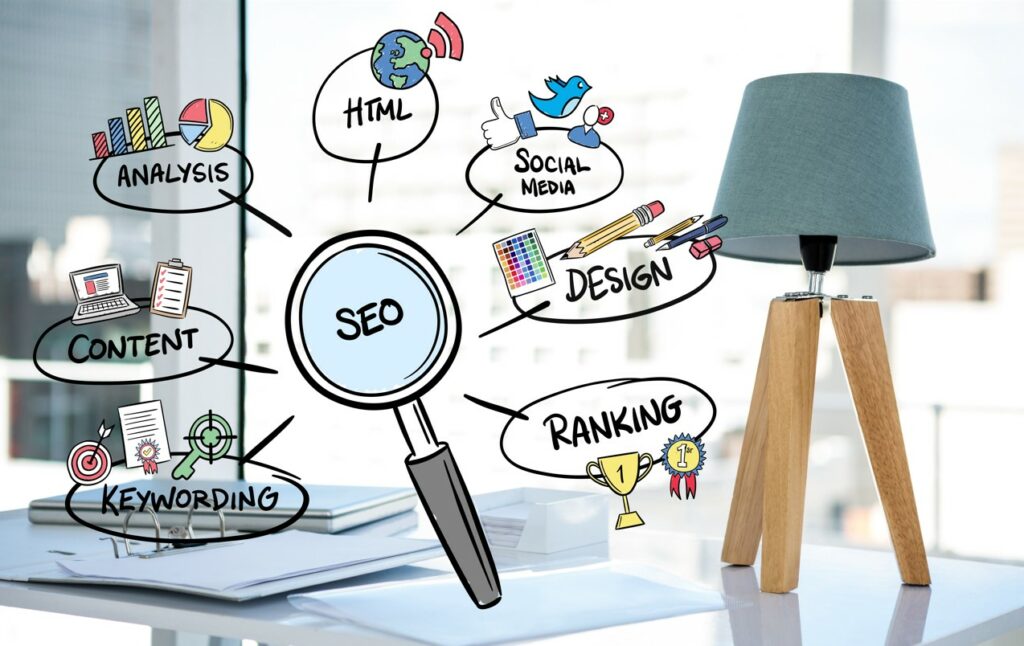
In today’s digital landscape, search engine optimisation (SEO) plays a vital role in driving organic traffic to websites. Among various SEO techniques, on-page optimisation holds immense significance. This article delves into the world of on-page SEO, exploring effective strategies to boost website rankings and enhance online visibility.
On-page SEO encompasses the optimisation of individual web pages to improve their visibility in search engine results pages (SERPs). It involves various factors, such as keyword research, content optimisation, meta tags, URL structure, and internal linking. This article looks at the significance of on-page SEO in enhancing user experience, attracting targeted traffic, and signalling search engines about the relevance and quality of web pages.
Keyword research is the foundation of any successful on-page SEO strategy. It is the process of identifying relevant keywords and phrases that align with a target audience’s search intent. It covers techniques for finding long-tail keywords, using keyword research tools, and analysing keyword competitiveness. By understanding user search behaviour, website owners can optimise their content with the right keywords to improve rankings and drive organic traffic.
Creating high-quality, SEO-optimised content is equally pivotal for on-page success. This element incorporates best practices for crafting engaging and relevant content that satisfies user intent while incorporating targeted keywords strategically. It highlights the importance of well-structured content, proper formatting, the optimal use of headings, and the integration of multimedia elements. Additionally, it explores techniques for enhancing content readability and engagement, such as incorporating bullet points, using descriptive subheadings, and ensuring appropriate keyword density.
Meta tags and URL structure play a crucial role in conveying essential information to search engines and users, and this element includes optimising title tags, meta descriptions, and header tags for maximum impact. It also emphasises the significance of creating search engine-friendly URLs that are concise, descriptive, and include relevant keywords. By optimising these on-page elements, website owners can enhance their website’s click-through rates (CTRs) and improve visibility in SERPs.
Internal linking is an effective on-page SEO technique that not only aids in navigation but also helps search engines discover and index content more effectively, by the process of strategically interlinking relevant pages within a website. By creating a well-structured internal linking system, website owners can distribute link authority, improve user experience, and enhance the discoverability of their content.
Conclusion:
Mastering on-page SEO techniques is essential for businesses and website owners who aim to boost their online presence and attract targeted organic traffic. By implementing effective strategies like keyword research, content optimisation, meta tag and URL optimisation, and internal linking, one can pave the way for improved rankings, enhanced user experience, and long-term SEO success.
Interested in finding out more? Contact Jawline Digital Marketing, the experts in PPC, SEO, Social Media Management and Web Design to find out more on 07488 465432 or drop us a line at enquiries@jawlinelimited.co.uk